Conditions · Gums · Dental implants
Gum & dental implant conditions
Understanding what is happening in your mouth is the first step. Here is what Dr Hui treats, how each condition develops, and when to have it assessed.

Gum disease
What gum disease is, and why it matters
Gum disease is the inflammation to the gums which surround your teeth. This is in response to bacteria build up. The building up of bacteria in your mouth causes your immune system to try and get rid of it, which is done by inflaming the gums.
Once the inflammation advances, loss of bone in the jaw and subsequent loss of teeth can occur. It can also be accelerated by a variety of factors such as poor oral hygiene, smoking, diabetes, old crowns and oral bridges that are ill fitting etc.
It is fundamental for all readers of this information to acknowledge gum diseases are often not a stand alone condition; it is reflective of your body's inflammatory burden and often accompanies by systemic conditions. This stresses the importance of holistic approaches in treatment and remembering the concept of Periodontal Medicine.
Despite the highly specialised skills and knowledge, I do not intend to treat a compartment of the body (i.e. gum) but individuals (i.e. the patients). My philosophy is to look at my patients' entire body as a whole.Dr Lizzy Hui, Specialist Periodontist
The two main stages
Gingivitis and periodontitis
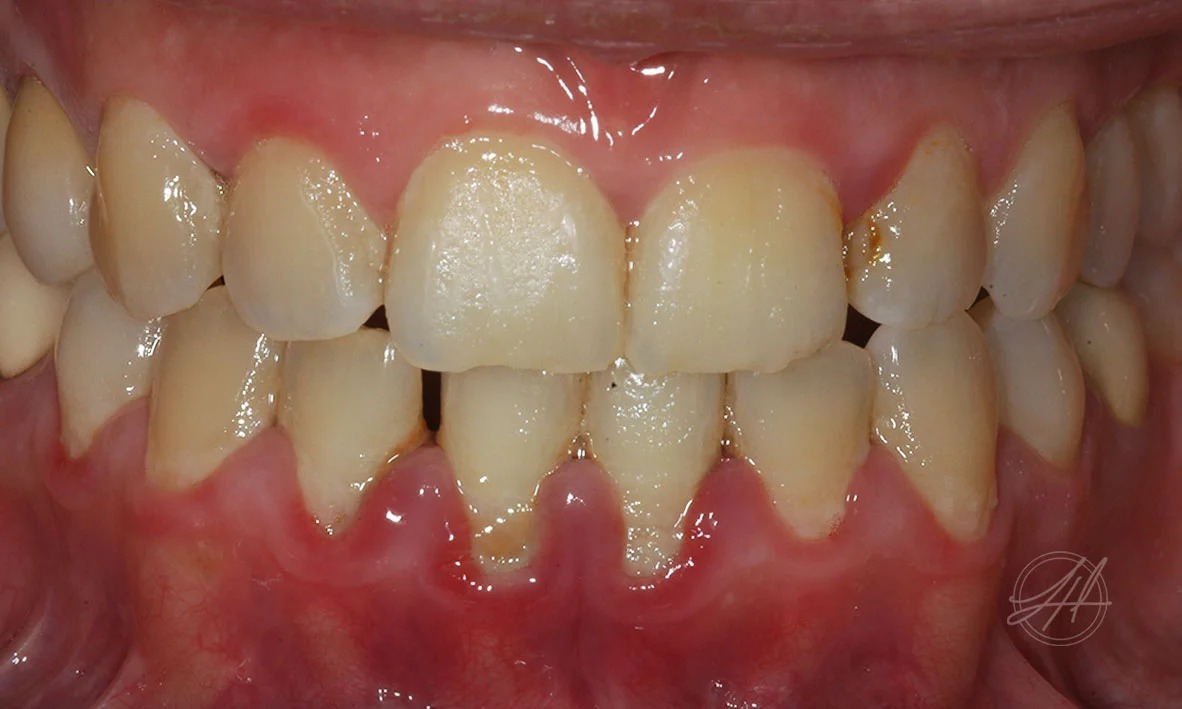
Gingivitis
The most common form of gum disease is gingivitis. This is a mild form of gum disease (periodontal disease) that presents as irritation, redness and swelling (inflammation) of your gingiva, the part of your gum surrounding the emergence of your teeth.
Treating gingivitis promptly is of the utmost importance. Gingivitis can lead to much more serious gum disease called periodontitis and tooth loss. The most common cause of gingivitis is poor oral hygiene, lack of regular professional check-ups, although it can also underlies systemic conditions. The best ways to prevent gingivitis are daily cleaning and regular dental checkups.
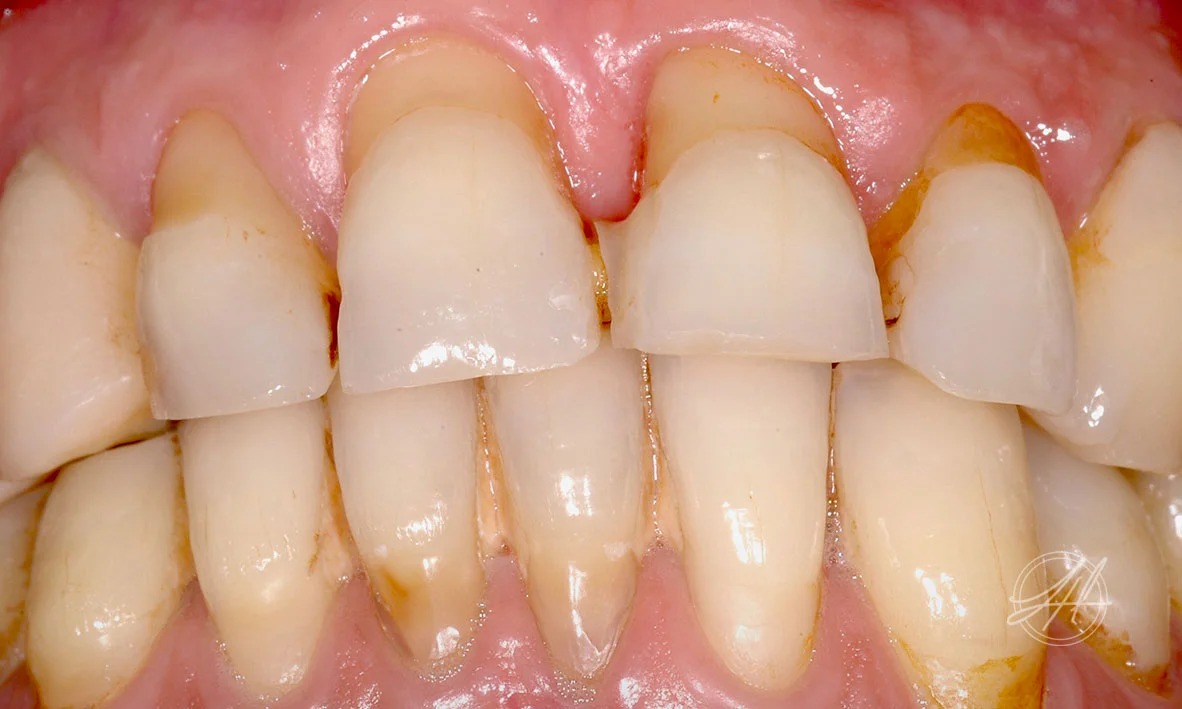
Periodontitis
One of the most common human diseases, periodontitis is a destructive inflammation of the gum and the supporting structures of the teeth. It is caused by periodontal bacteria and local inflammation, which is triggered by these bacteria. This is when food debris and a layer of bacteria, also known as plaque or biofilm, builds up and is left undisturbed on the teeth.
Chronic inflammation causes the bone of the jaw to be destroyed as the disease progresses, which causes teeth to be lost. This process of deterioration is gradual, occurring over many years. If detected and treated it can be halted or significantly slowed down.
Other forms of presentation can include but not limited to increased thermal sensitivity to heat/ cold, recession (gum shrinkage), mobile teeth, foul smell/ taste, pain and suppuration (abscess, pus).
Dental implant diseases
When the gum around an implant becomes inflamed
For some patients, metal roots are surgically implanted in to the jawbone to replace missing or extracted teeth. False teeth are then attached to the implants in the form of a crown or bridge. Over time, the bone and gum grow around the implant and hold it in place. These tissues are extremely delicate and require regular professional check-ups and meticulous ongoing cleaning by patients.
Dental implant (peri-implant) disease occurs when bacteria builds up around the dental implant. Peri-implant disease can cause long term damage such as bone loss and exfoliation (loss) of implants. Such damage may be accelerated by a factors such as poor oral hygiene, ill fitting dental crowns and bridges, smoking, diabetes and untreated periodontitis.
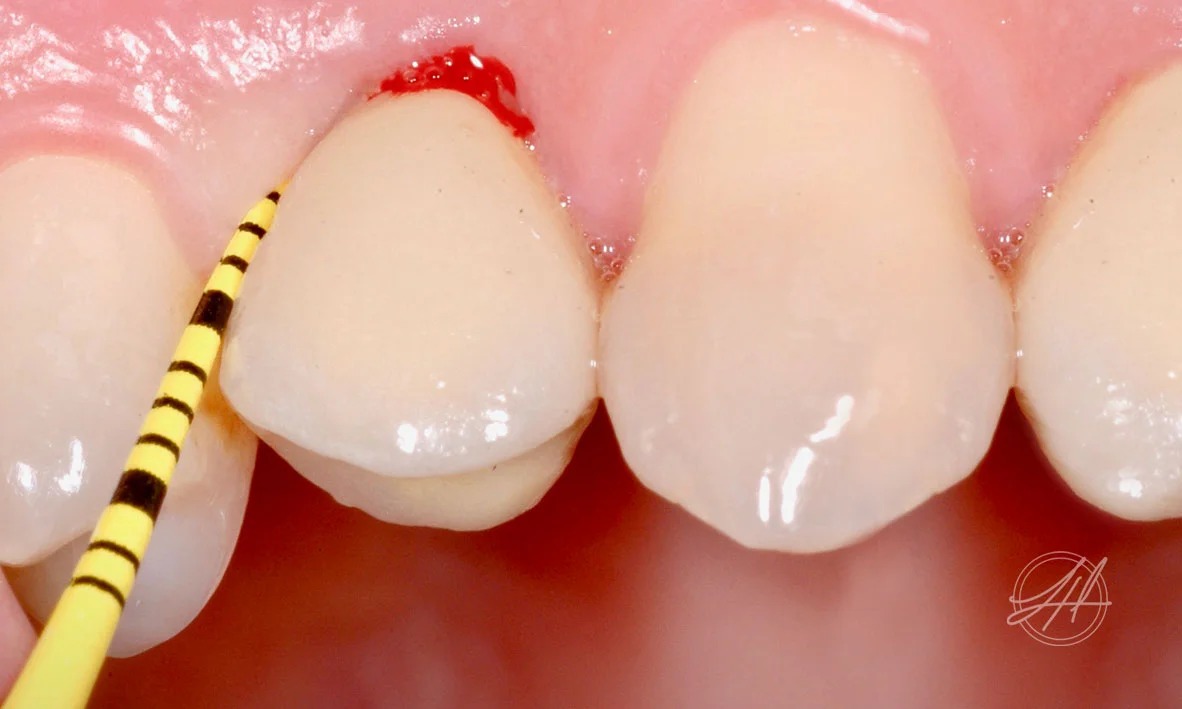
Peri-implant mucositis
The common and mild form of dental implant disease is peri-implant mucositis. This presents in the form of irritation, redness and swelling (inflammation) of the gum surrounding the dental implant. When symptoms occur it is important to act promptly to repair any damage. Peri-implant mucositis may lead to serious peri-implant disease, called peri-implantitis, and eventual implant loss.
Poor oral hygiene and lack of regular professional check-ups are the most common causes of peri-implant mucositis. To help prevent and resolve peri-implant mucositis it is important to practice good oral health habits including, brushing twice daily at least, daily cleaning in the interdental areas with correct technique and getting regular dental checkups.
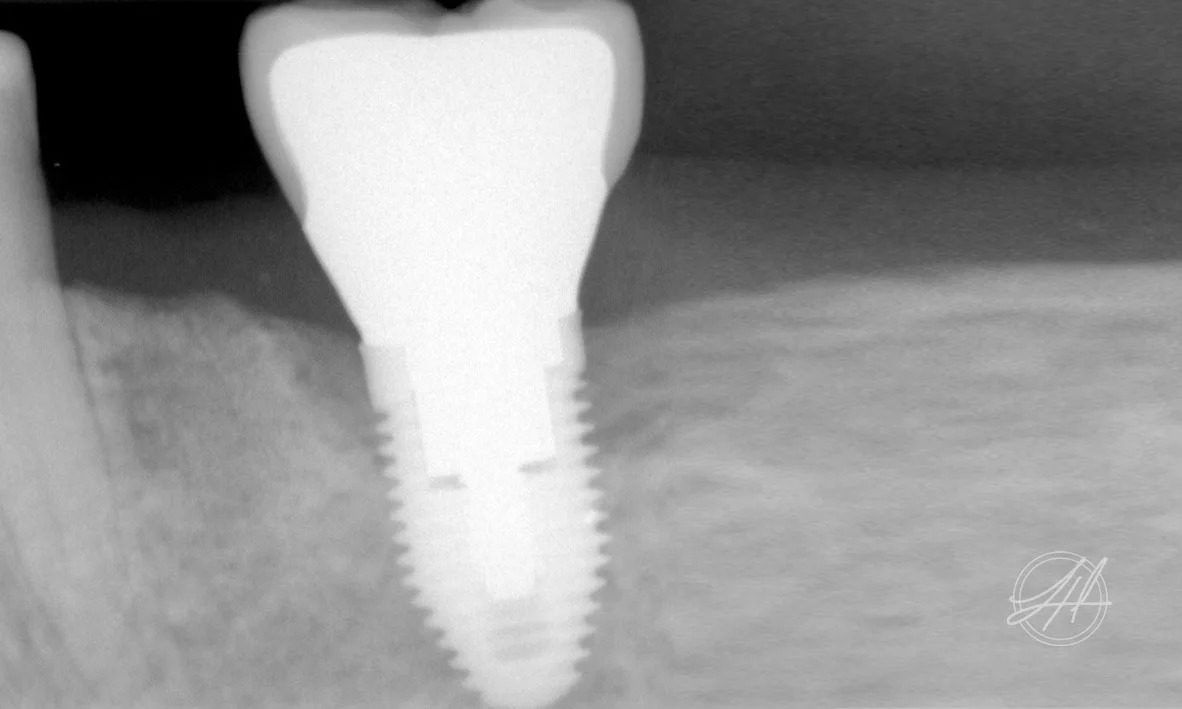
Peri-implantitis
Peri-implantitis can be a fast, self-progressing oral disease, presenting as advanced inflammation of the gums and supporting bone surrounding the implant. It is caused by certain bacteria (the same periodontal bacteria) and by the local inflammation triggered by those bacteria.
When the disease progresses, chronic inflammation causes the bone of the jaw to be destroyed and the implants can be lost. This process is commonly gradual, occurring over 3 to 5 years post-surgery of the implant. Peri-implantitis can be treated with advanced and sophisticated surgical procedures, if detected early.
Other conditions
Bad breath and its contributing factors
Bad breath (halitosis)
Bad breath, or halitosis, can be caused by several different dental factors including tooth decay, periodontitis, home oral hygiene and dry mouth. Other non dental conditions such as tobacco smoking, food habits and medical diseases may also contribute.
Tobacco use
A risk factor for gum disease and heavily contributes to halitosis.
Poor oral hygiene
Proper oral hygiene relies on the correct removal of food residuals from the mouth on a regular basis. Food can accumulate between your teeth, on the surface of the tongue and along your gumline. Bacteria then break these residuals down and release oral odour.
Dry mouth
Dry mouth is one of the dental conditions that may result in halitosis, in addition to gum disease or tooth decay. This condition limits saliva flow production that dries out your mouth, increasing the risk of bad breath. Dry mouth can be related to medications, salivary gland problems and tobacco use.
Foods and drinks
Following digestion, some foods and drinks that contain odour-causing components will later be exhaled or secreted in the saliva.
Medical conditions or medications
Medical conditions such as tonsillitis, bronchitis, diabetes, sinus or lung infections, gastrointestinal disorders and some liver or kidney disease have symptoms relating to bad breath. A number of medications may also produce an unpleasant taste or odour or cause dry mouth. Please discuss with us any concerns.
How it is treated
Your treatment plan
A diagnosis and individually customised periodontal treatment plan will be discussed and planned with you during your initial consultation. To begin with, a deep cleansing (debridement) of the roots of your teeth or implants is performed. We may also apply antimicrobial products and conduct a tailor-made review of home oral hygiene.
Follow-up specialist treatment following your initial debridement will be discussed during a re-evaluation visit and often include surgical treatment of the condition.
As for possible bad breath, the first step is tracking down the cause. A Periodontist can be of great help by examining your mouth screening for oral health problems; such as gum diseases, tooth decay, or low salivary flow. If concerns about oral health are found to be associated with general health, your specialist may refer you to your physician to check for other medical causes and assess your medications.
It is important to remember that gum disease doesn't appear over night, it builds up over time. To treat, it is important ones' acknowledge it will not be resolved in one day but requires good on-going rapport between the patients and the treating Periodontist.
Good to know
Gum disease & periodontal conditions FAQs
What conditions does a periodontist treat?
What causes gum disease?
Is gum disease linked to other health problems?
What is peri-implant disease?
Can gum disease be prevented?

This information is provided by Dr Lizzy Hui, an AHPRA-registered Specialist Periodontist and Director of Smile Specialists Suite and Kiama Dental Specialists. Read Dr Hui's full profile.
Concerned about your gums?
Early assessment can preserve teeth. Book a consultation with Dr Hui.