Treatments · Gum grafting
Gum graft treatment in Sydney
If you are experiencing gum recession, tooth sensitivity, or concerns about the appearance of your gums, gum grafting treatment may help restore and protect your oral health.
Specialist care
Specialist gum grafting treatment in Sydney
Dr Lizzy Hui provides specialist gum graft procedures in Sydney, offering advanced periodontal care tailored to each patient's condition and long-term dental health goals.
As a specialist periodontist, Dr Hui focuses on evidence-based treatment designed to improve gum stability, protect exposed tooth roots, and support both function and aesthetics.
The basics
What is gum grafting?
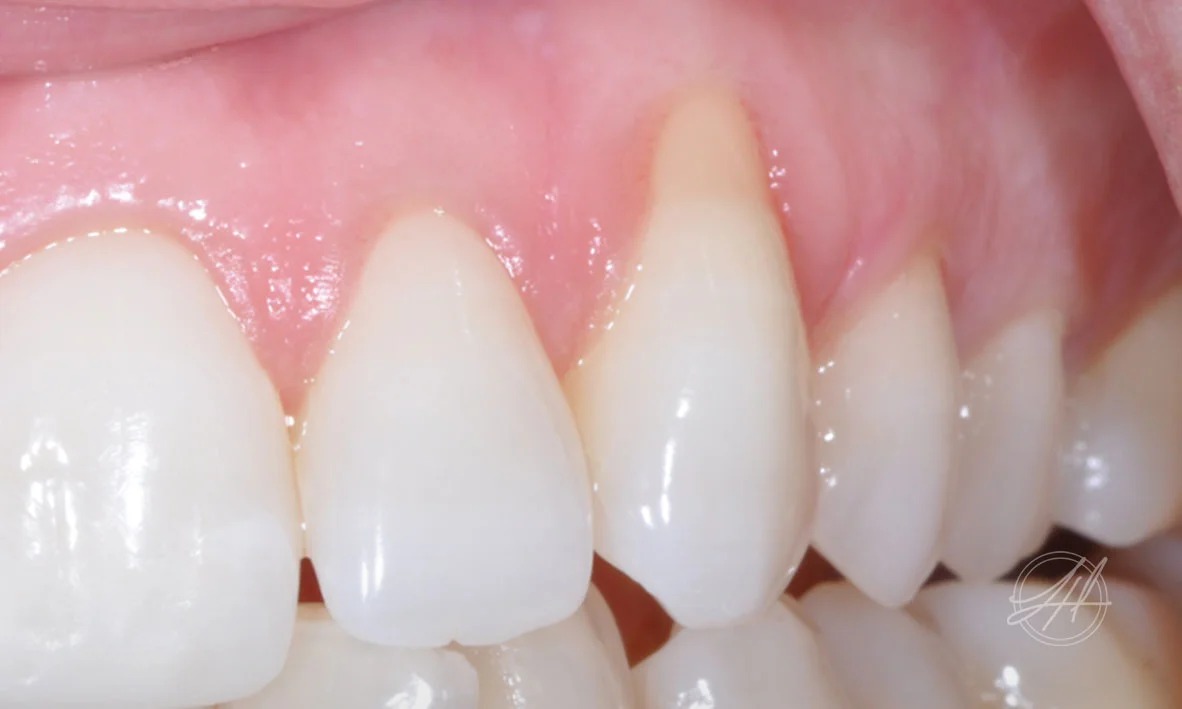
Gum grafting is a periodontal procedure used to treat gum recession by restoring lost gum tissue around the teeth.
When gums recede, the tooth roots become exposed, increasing the risk of sensitivity, decay, root wear, and further gum deterioration. In some cases, gum recession may also affect the appearance of the smile.
Gum grafting procedures help reinforce the gum line, improve protection around teeth, and create healthier long-term periodontal support.
Causes
Common causes of gum recession
Gum recession can develop gradually over time and may result from a range of contributing factors, including:
- Gum disease
- Aggressive brushing
- Thin gum tissue
- Teeth grinding or clenching
- Orthodontic movement
- Smoking
- Genetic factors
- Bite imbalance
- Previous dental trauma
Signs
Signs you may need gum grafting
You may benefit from gum graft treatment if you experience:
- Tooth sensitivity
- Exposed tooth roots
- Receding gums
- Teeth appearing longer
- Gum discomfort
- Increased plaque build-up near the gum line
- Changes in smile appearance
- Ongoing gum inflammation
Treatment
Gum grafting procedures in Sydney
Dr Lizzy Hui provides advanced gum grafting procedures using modern periodontal techniques designed to improve patient comfort and treatment outcomes.
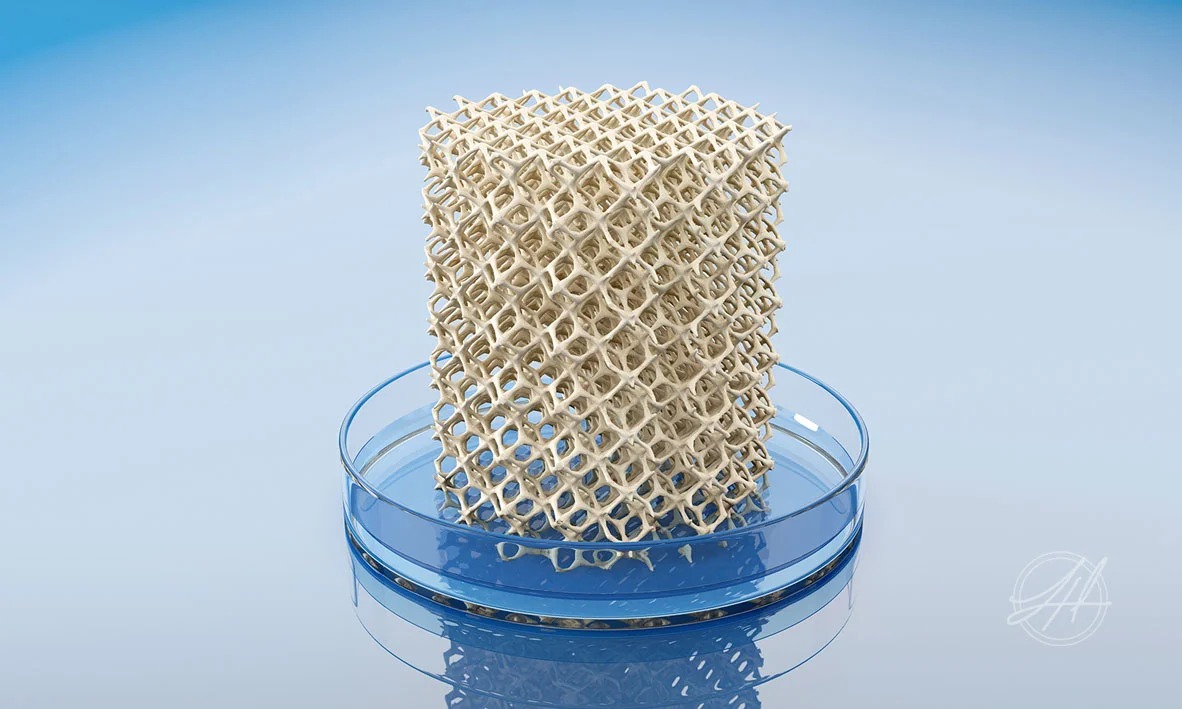
Depending on the severity of recession and the condition of surrounding tissues, treatment may involve connective tissue grafts, soft tissue grafting, or regenerative periodontal procedures.
Each treatment plan is tailored to the patient's periodontal health, gum thickness, oral hygiene, and long-term maintenance needs.
Benefits
Benefits of gum grafting
Gum graft procedures can provide several functional and cosmetic benefits, including:
- Reduced tooth sensitivity
- Protection against further gum recession
- Improved gum stability
- Enhanced smile appearance
- Reduced risk of root decay
- Better long-term periodontal support
- Improved oral comfort
Recovery
Recovery after gum graft surgery
Recovery following gum grafting varies depending on the complexity of the procedure and the patient's overall oral health.
Most patients can return to normal daily activities shortly after treatment, although healing instructions and dietary recommendations are important during the recovery period.
Dr Hui provides detailed post-treatment guidance and ongoing periodontal maintenance recommendations to support healing and long-term outcomes.
Many patients feel anxious about periodontal procedures. Dr Hui prioritises patient education, comfort, and minimally invasive techniques wherever possible.
Any surgical or invasive procedure carries risks. Individual results vary and suitability depends on an individual clinical assessment. Before proceeding with a surgical or invasive procedure, you should seek a second opinion from an appropriately qualified health practitioner.
Good to know
Frequently asked questions
What is a gum graft?
Do I need a gum graft for gum recession?
Is gum grafting painful?
How long does gum graft healing take?
Can gum recession grow back naturally?

This information is provided by Dr Lizzy Hui, an AHPRA-registered Specialist Periodontist and Director of Smile Specialists Suite and Kiama Dental Specialists. Read Dr Hui's full profile.
Worried about receding gums?
Book a periodontal assessment to find the cause and the right treatment.